Archives
- 2026-05
- 2026-04
- 2026-03
- 2026-02
- 2026-01
- 2025-12
- 2025-11
- 2025-10
- 2025-09
- 2025-03
- 2025-02
- 2025-01
- 2024-12
- 2024-11
- 2024-10
- 2024-09
- 2024-08
- 2024-07
- 2024-06
- 2024-05
- 2024-04
- 2024-03
- 2024-02
- 2024-01
- 2023-12
- 2023-11
- 2023-10
- 2023-09
- 2023-08
- 2023-06
- 2023-05
- 2023-04
- 2023-03
- 2023-02
- 2023-01
- 2022-12
- 2022-11
- 2022-10
- 2022-09
- 2022-08
- 2022-07
- 2022-06
- 2022-05
- 2022-04
- 2022-03
- 2022-02
- 2022-01
- 2021-12
- 2021-11
- 2021-10
- 2021-09
- 2021-08
- 2021-07
- 2021-06
- 2021-05
- 2021-04
- 2021-03
- 2021-02
- 2021-01
- 2020-12
- 2020-11
- 2020-10
- 2020-09
- 2020-08
- 2020-07
- 2020-06
- 2020-05
- 2020-04
- 2020-03
- 2020-02
- 2020-01
- 2019-12
- 2019-11
- 2019-10
- 2019-09
- 2019-08
- 2018-07
-
Introduction Cardiovascular disease is the principal cause o
2024-06-05
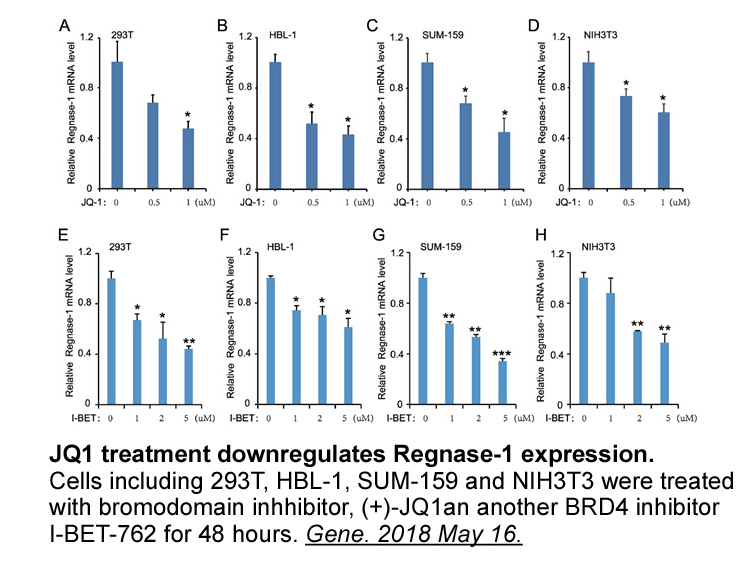
Introduction Cardiovascular disease is the principal cause of morbidity and mortality in patients with dcp cas sale (1). Comprehensive management of these patients includes not only adequate glycemic control but also attention to additional recognized risk factors. Hypertension is a cardiovascular
-
br Identification of the croaker mAR cDNA
2024-06-05
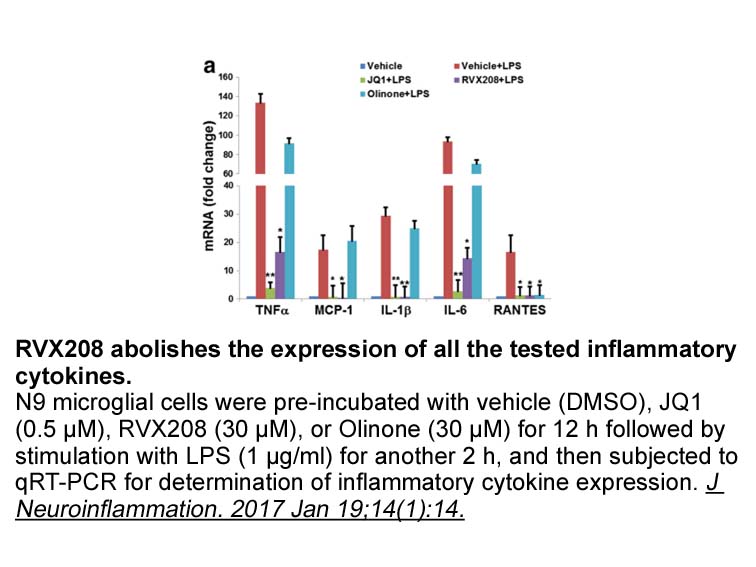
Identification of the croaker mAR cDNA Testosterone (T) was observed to alter steroidogenesis through a nongenomic mechanism (not blocked by the transcription inhibitor, actinomycin D) in Atlantic croaker ovarian tissues (Braun and Thomas, 2003). This action of T was mimicked by T conjugated to B
-
dna alkylating agents The specific functions of ERs and AR u
2024-06-05
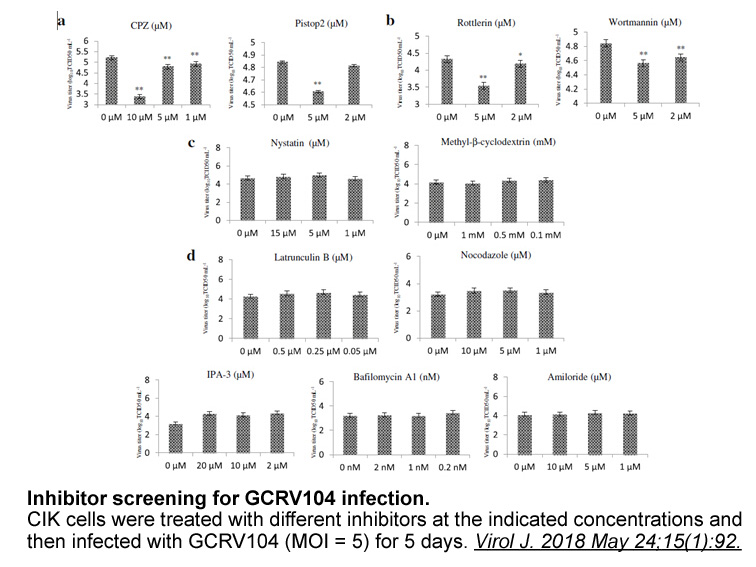
The specific functions of ERs and AR underline their crucial roles during different phases of spermatogenesis. Their deregulation could affect numerous downstream targets, thereby, disrupting spermatogenesis and male fertility. Various studies have shown that estrogen-like chemicals in the environme
-
MHY1485 The functional significance of the cap residues with
2024-06-05
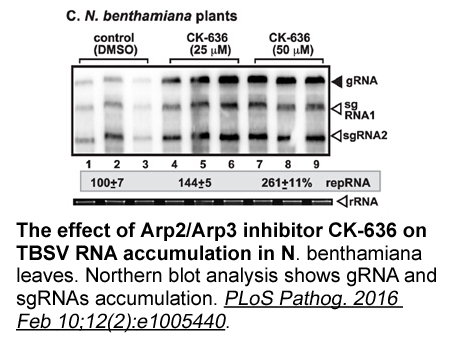
The functional significance of the cap residues with regard to the established role of PfA-M1 in hemoglobin catabolism in the food vacuole is a key question that is difficult to address with in vitro studies. We note that three of the dipeptide substrates used in our study are found in the sequences
-
In our previous study we showed that normal and cancerous
2024-06-05
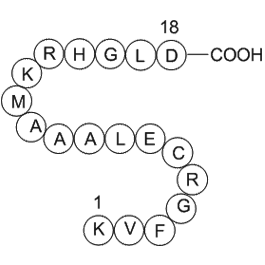
In our previous study we showed that normal and cancerous P7C3 receptor of kidney exhibit the activity of alcohol dehydrogenase and aldehyde dehydrogenase. Furthermore, the activity of class I ADH isoenzymes and total ADH were significantly higher in cancer tissue than in unchanged renal cells. Mor
-
br Downstream signalling of AKT A consensus phosphorylation
2024-06-05
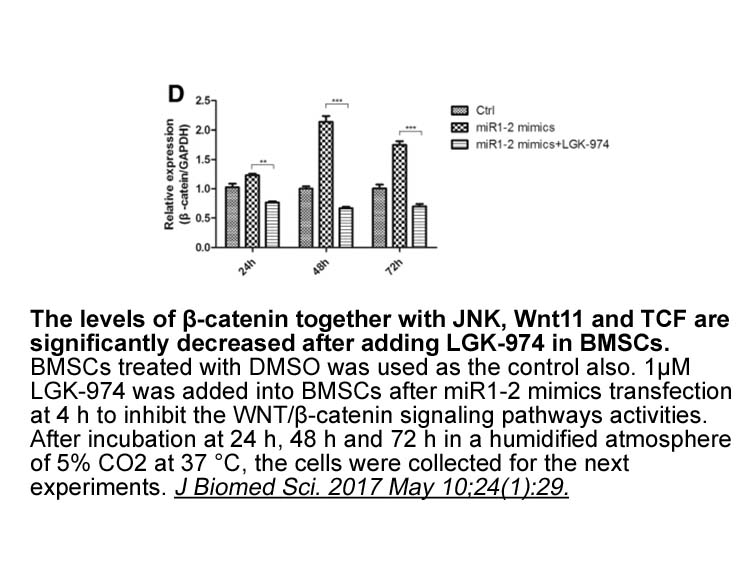
Downstream signalling of AKT A consensus phosphorylation motif has been described for AKT substrates: R-X-R-X-X-S/T-B where X represents any amino D609 and B represents bulky hydrophobic residues (Alessi, Caudwell, Andjelkovic, Hemmings, & Cohen, 1996). Numerous AKT substrates have been publishe
-
Since forskolin is known to act directly at
2024-06-05

Since forskolin is known to act directly at the catalytic site of adenylate cyclases near the ATP binding (Tesmer et al., 1997), the synergistic and/or permissive effect of gonadotropins on FSK activity must occur at the level of AC itself or very near, at the level of one of its direct partner. The
-
Neural progenitor cells NPCs are self renewing multipotent
2024-06-05
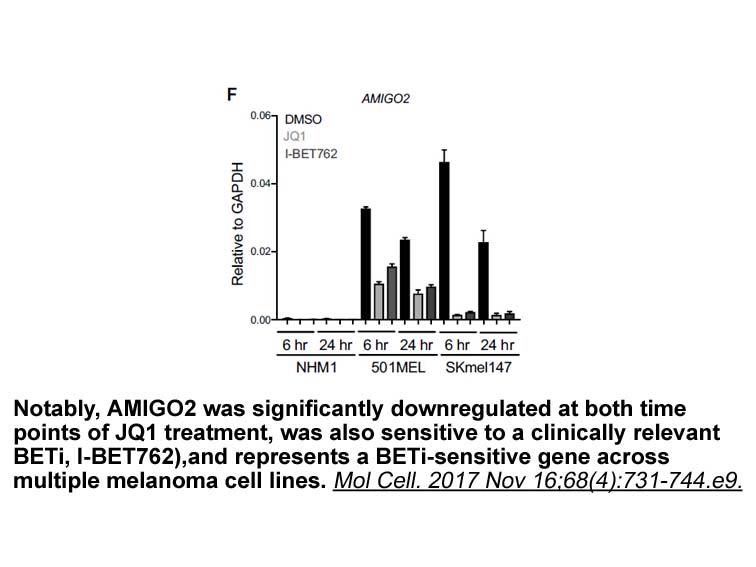
Neural progenitor cells (NPCs) are self-renewing, multipotent cells that are capable of differentiating into neurons, astrocytes and oligodendrocytes. NPCs are activated in response to a variety of pathological states in neurodegenerative diseases such as Parkinson’s disease and multiple sclerosis,
-
br AMPK structure and mechanism of
2024-06-04
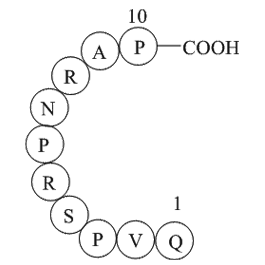
AMPK: structure and mechanism of action AMPK is a metabolic master switch that regulates downstream signals based on shifts in the surrounding energy reservoir [6]. It is expressed in a number of tissues, including the kidney, the liver, the skeletal muscle, the adipose tissue, and the hypothalam
-
br Introduction Myasthenia gravis MG is an autoimmune diseas
2024-06-04
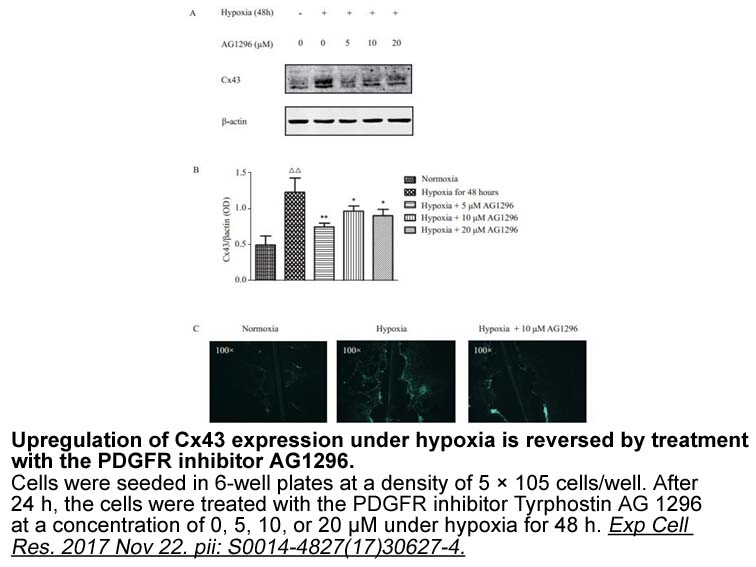
Introduction Myasthenia gravis (MG) is an autoimmune disease characterised by failure of transmission at the neuromuscular junction (NMJ). In 80–85% of myasthenia gravis patients, the disease is mediated by antibodies to the nicotinic U0126 receptor (AChR; (Lindstrom et al., 1976). Many investiga
-
Introduction hydroxytryptamine HT is found throughout the
2024-06-04
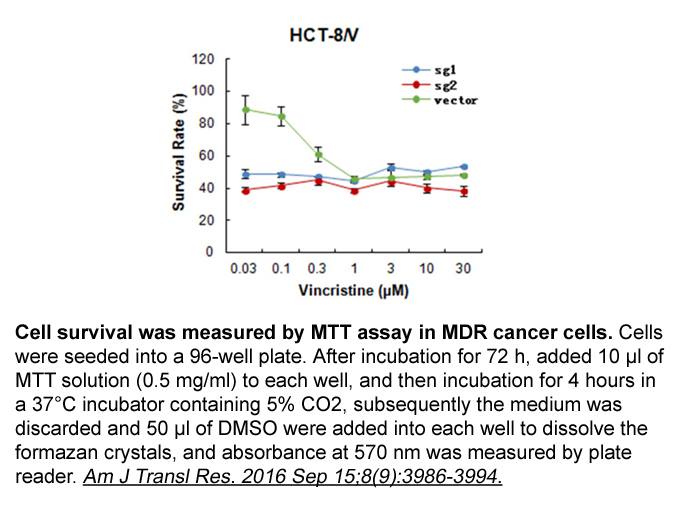
Introduction 5-hydroxytryptamine (5-HT) is found throughout the body and influences smooth muscle activity in various tissues including the intestine, vasculature and urinary Pyoluteorin (Kim and Camilleri, 2000, Klarskov and Horby-Petersen, 1986, Mohammad-Zadeh et al., 2008). The current classifi
-
The reductase activity in patients with OHD as
2024-06-04

The 5α-reductase activity in patients with 21-OHD, as assessed by the 5α-THF to 5β-THF (ratio 3) and by the 5α-17HP to 17HP (ratio 4) ratios, showed a similar pattern of activities (Fig. 2A–C) and significant correlations (ratio 1 vs. ratio 3; rs=0.67; pSulfaphenazole sale to the 5α-reducase activi
-
In our bioinformatics analysis of
2024-06-04
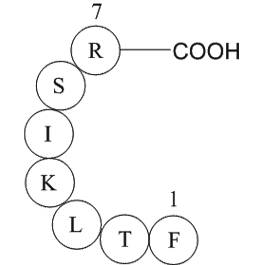
In our bioinformatics analysis of proteins with increased SUMOylation upon treatment with MMC and HU, we found clusters of co-regulated proteins that are known to function together in the RS response. In addition to the ATR activation proteins, BRCA1 and BARD1, we also found Fanconi anemia proteins
-
The structural analysis of the ASK activation
2024-06-04
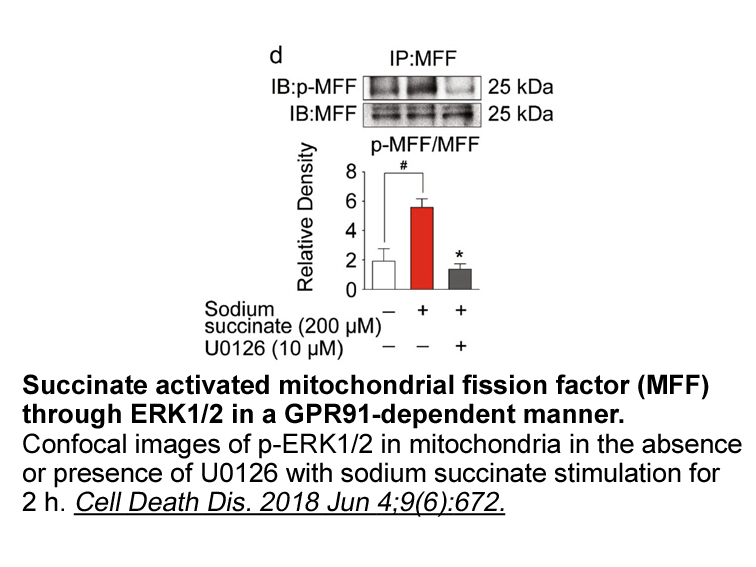
The structural analysis of the ASK1 activation segment, which was not phosphorylated in the crystal structure, showed interactions mimicking those found in activated kinases. In addition, the isolated unphosphorylated ASK1-CD is active and able to autophosphorylate itself at three sites, Thr813, Thr
-
br Introduction The apelin receptor angiotensin receptor lik
2024-06-04
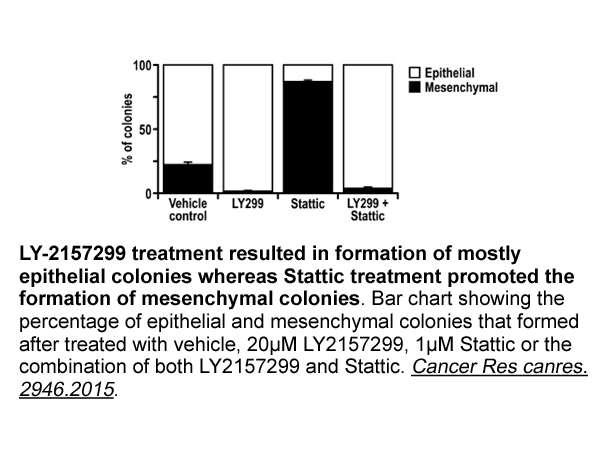
Introduction The apelin receptor (angiotensin receptor-like 1, APJ) is a seven transmembrane receptor (7TMR) that belongs to the class A peptidergic G protein-coupled receptors (GPCR) superfamily [1]. The endogenous ligands of APJ are the different isoforms of apelin (namely apelin-13, −17, and −
14588 records 155/973 page Previous Next First page 上5页 151152153154155 下5页 Last page