Archives
- 2026-07
- 2026-06
- 2026-05
- 2026-04
- 2026-03
- 2026-02
- 2026-01
- 2025-12
- 2025-11
- 2025-10
- 2025-09
- 2025-03
- 2025-02
- 2025-01
- 2024-12
- 2024-11
- 2024-10
- 2024-09
- 2024-08
- 2024-07
- 2024-06
- 2024-05
- 2024-04
- 2024-03
- 2024-02
- 2024-01
- 2023-12
- 2023-11
- 2023-10
- 2023-09
- 2023-08
- 2023-06
- 2023-05
- 2023-04
- 2023-03
- 2023-02
- 2023-01
- 2022-12
- 2022-11
- 2022-10
- 2022-09
- 2022-08
- 2022-07
- 2022-06
- 2022-05
- 2022-04
- 2022-03
- 2022-02
- 2022-01
- 2021-12
- 2021-11
- 2021-10
- 2021-09
- 2021-08
- 2021-07
- 2021-06
- 2021-05
- 2021-04
- 2021-03
- 2021-02
- 2021-01
- 2020-12
- 2020-11
- 2020-10
- 2020-09
- 2020-08
- 2020-07
- 2020-06
- 2020-05
- 2020-04
- 2020-03
- 2020-02
- 2020-01
- 2019-12
- 2019-11
- 2019-10
- 2019-09
- 2019-08
- 2018-07
-
Since OH PGE is a moderately selective EP agonist which
2021-03-05
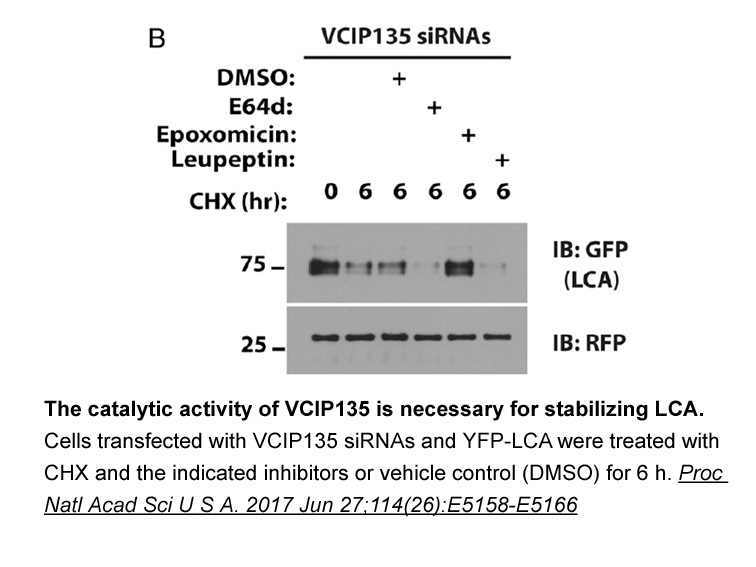
Since 1-OH-PGE2 is a moderately selective EP4 agonist which could bind to mouse EP3 and EP4 with a relatively similar affinity (Kiriyama et al., 1997), we have used a highly selective EP4 agonist CAY10580 to evaluate the involvement of EP4 activation in PGE2-facilitated EP4 internalization and recyc
-
Key molecules in the EP second messenger signaling cascade
2021-03-05
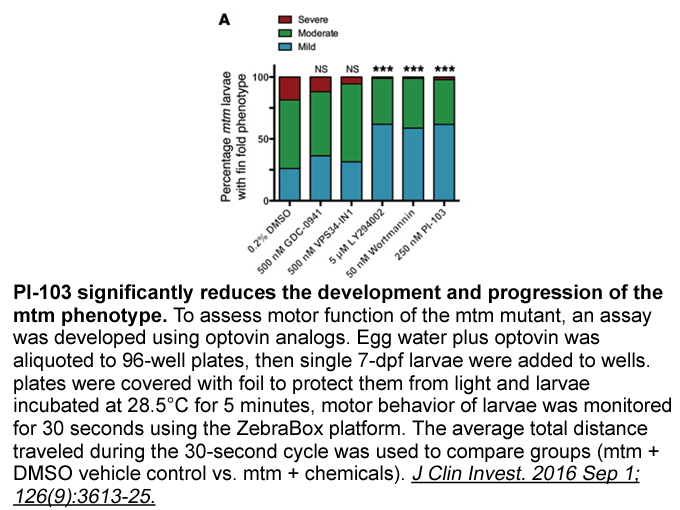
Key molecules in the EP1 second messenger signaling cascade that are necessary for potentiation of GluK2/GluK5 were identified. We also identified three GluK5 serines located in a membrane-proximal C-terminal domain that, when mutated to the phosphomimetic aspartate and expressed with GluK2, rendere
-
br Acknowledgements This study was
2021-03-05
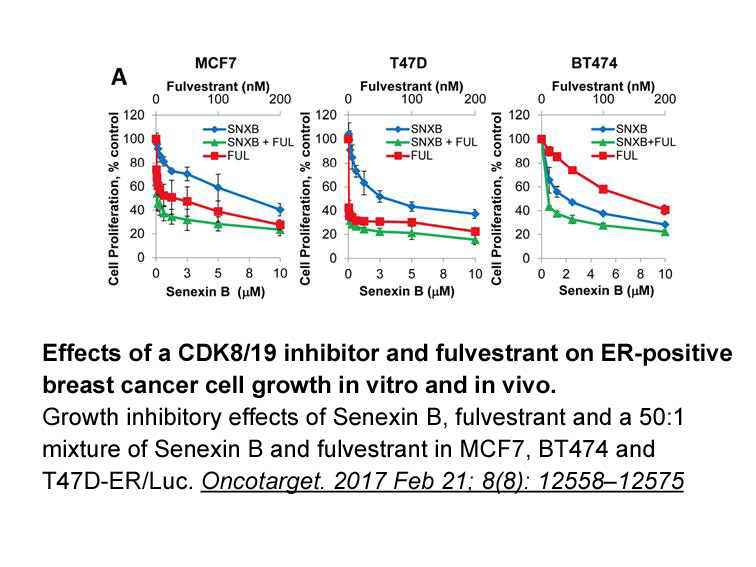
Acknowledgements This study was financially supported by the National Special Research Programs for Non-Profit Trades (Agriculture) (Grant No. 201303045) and the Basic Foundation for Scientific Research of the State-level Public Welfare Institutes of China (Grant No. 2013JB10). Introduction L
-
br Expression and Tissue Functions of DDRs The
2021-03-05

Expression and Tissue Functions of DDRs The DDRs are widely expressed in different tissues, both during development and in adult organisms. DDR1 mRNA is found in many tissues in mice and humans, with high levels in brain, lung, kidney, spleen, and placenta (Di Marco et al., 1993, Johnson et al.,
-
In conclusion using human liver microsomes supersomes from b
2021-03-05
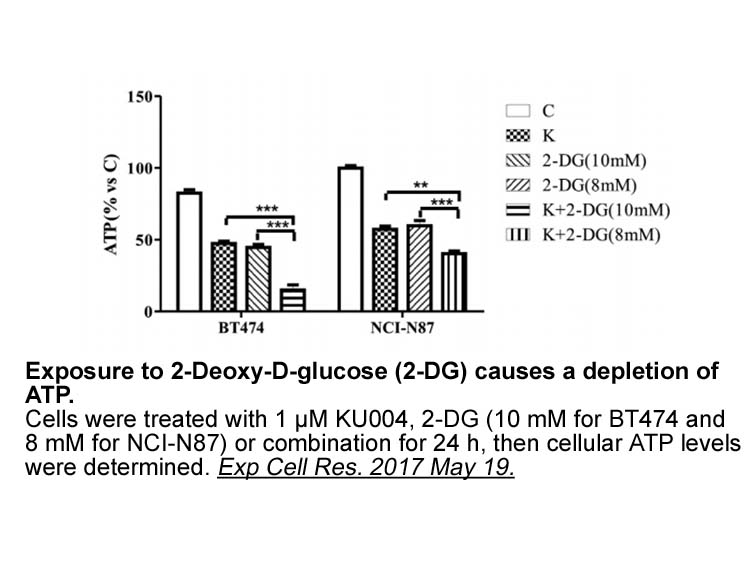
In conclusion, using human liver microsomes, supersomes from baculovirus-transformed insect cells expressing different human CYP450 isoforms, and V79MZh3A4 cells, MB2 and MB4 were formed from TRB and MC from TRC. The amounts of MB2, MB4, and MC formed were related to the 6β-testosterone hydroxylase
-
Ubiquitination is a reversible posttranslational modificatio
2021-03-05

Ubiquitination is a reversible posttranslational modification. The removal of Ub is carried out by enzymes known as deubiquitinases (DUBs). The antagonistic role played by these enzymes in the Ub pathway regulates the function of the ubiquitinated proteins, while maintaining the free Ub pool in euka
-
N1-Methyl-ATP br Conflict statement br Introduction Prostate
2021-03-04
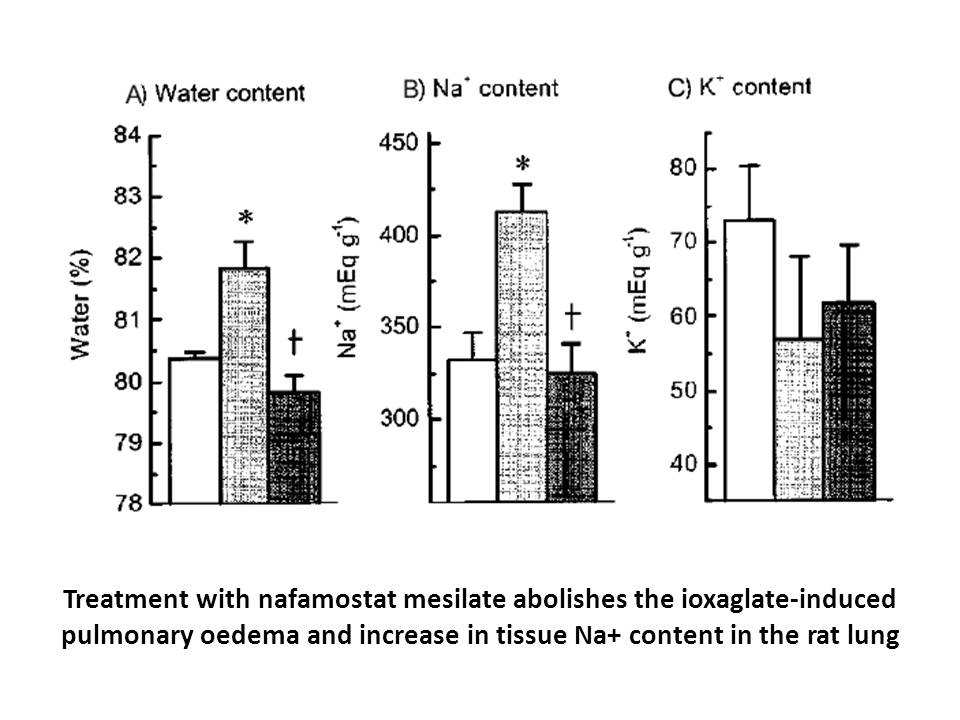
Conflict statement Introduction Prostate cancer (PCa) is the second most frequently diagnosed cancer and the second leading cause of cancer death in men after lung cancer [1], [2]. The incidence and mortality rate of prostate cancer are significantly higher in developed countries especially th
-
The molecular formula of was assigned as C H N
2021-03-04
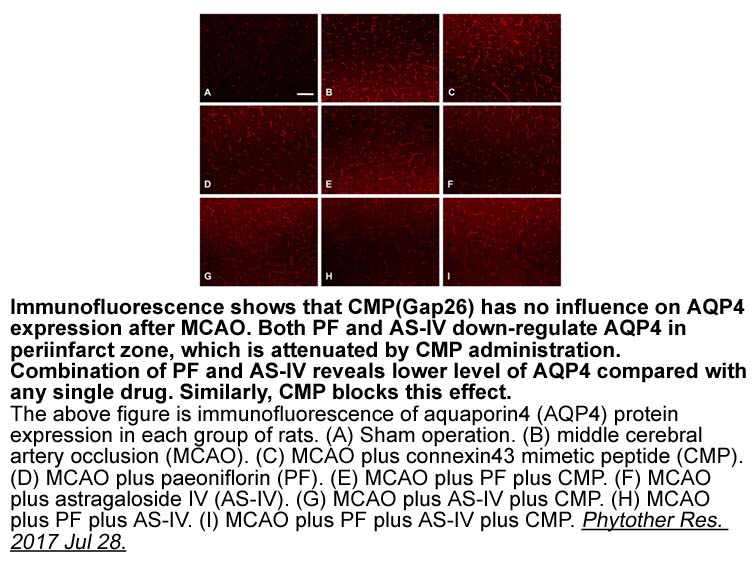
The molecular formula of 2 was assigned as C12H12N2O2 by the positive HRESIMS at m/z 217.0973 [M+H]+ (calcd for 217.0972), 13C NMR and DEPT spectra, having 8 degrees of unsaturation. The 1H NMR spectrum contains an ABX spin system comprised of resonances at δH 7.47 (d, J=1.9Hz, H-2′), 6.86 (d, J=8.3
-
Animal studies investigating the role of D dopamine receptor
2021-03-04
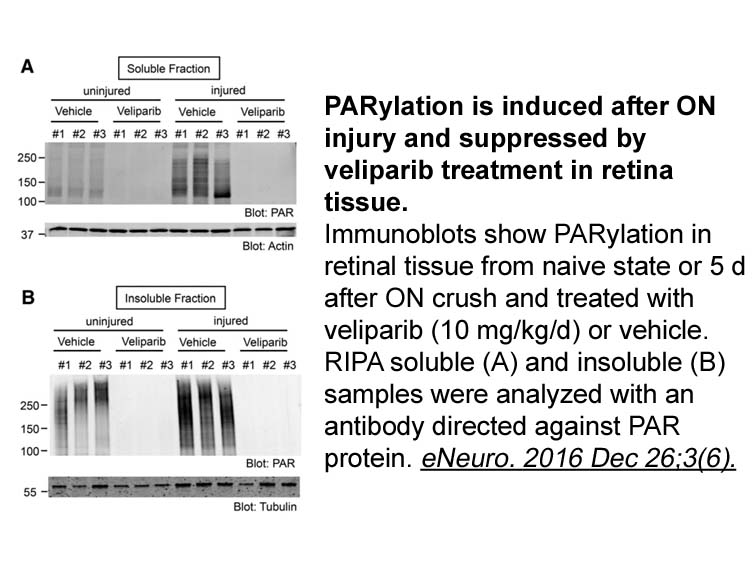
Animal studies investigating the role of D1 dopamine receptors in the PFC have focused on delayed response tasks, which require online maintenance of a previously presented stimulus. Striatal dopamine is thought to be important for flexibility and updating goal representations when new information i
-
RCT pathway plays a critical
2021-03-04

RCT pathway plays a critical role in the maintenance of cholesterol homeostasis by facilitating the cholesterol clearance and cholesterol efflux (Levinson & Wagner, 2015). In the process of RCT, ABCA1 and ABCG1 played as crucial regulators in cholesterol efflux (Yasuda et al., 2011). Compared with h
-
Bioinformatics analysis for genes encoding proteins
2021-03-04
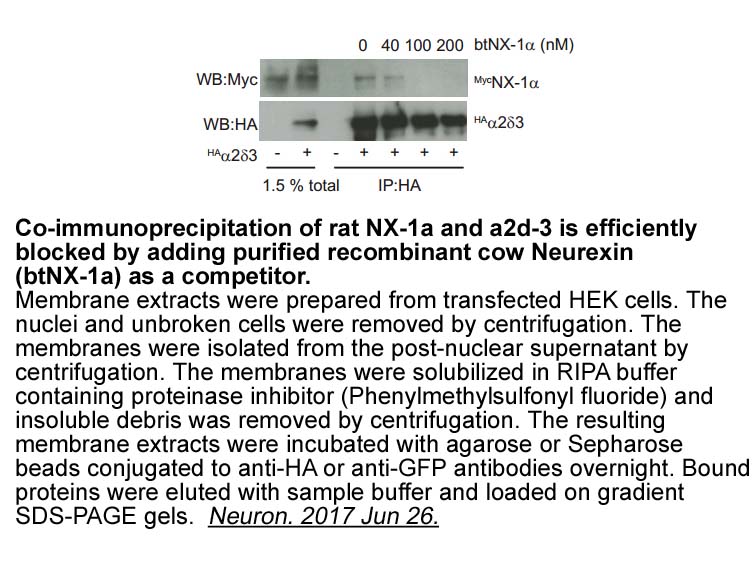
Bioinformatics analysis for genes encoding proteins (ESR1, IL6, TERT, DNMT3B) showed that NF-kB is one of the transcription factors that might be regulating their expression, especially for IL6, TERT and DNMT3B genes. Previous studies have demonstrated that PA induces NF-kB activation, thus increasi
-
SS is a high grade malignant soft tissue
2021-03-04
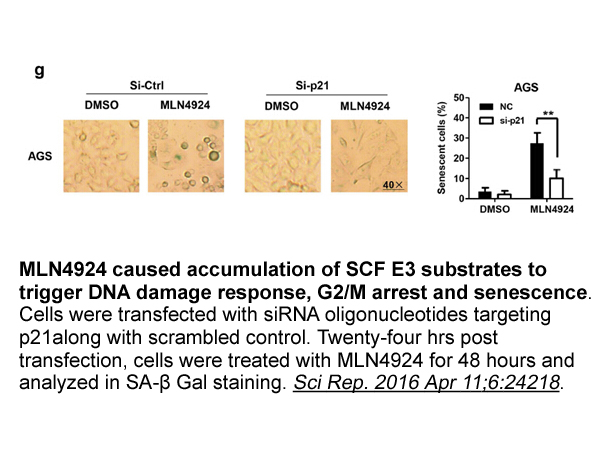
SS is a high-grade malignant soft tissue sarcoma accounting for 5%–10% of soft tissue sarcomas. After RMS, SS is the most common sarcoma in children, adolescents and young adults [9]. SS originates primarily in the lower (62%) and upper (21%) extremities but may occur at any anatomic site [9], [10].
-
br Disclaimer Statement br Introduction The erythropoietin p
2021-03-04
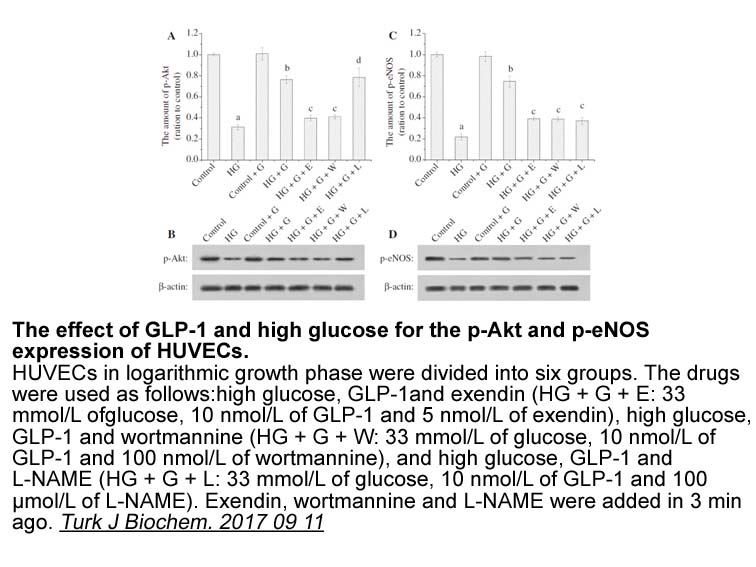
Disclaimer Statement Introduction The erythropoietin-producing hepatoma (Eph) receptors represent the largest class of receptor tyrosine kinases (RTKs). They are type I transmembrane proteins that interact with their membrane-bound ligands the ephrins and facilitate cell-to-cell contacts resul
-
br Cytochrome P monooxygenases Cytochrome P monooxygenases
2021-03-04
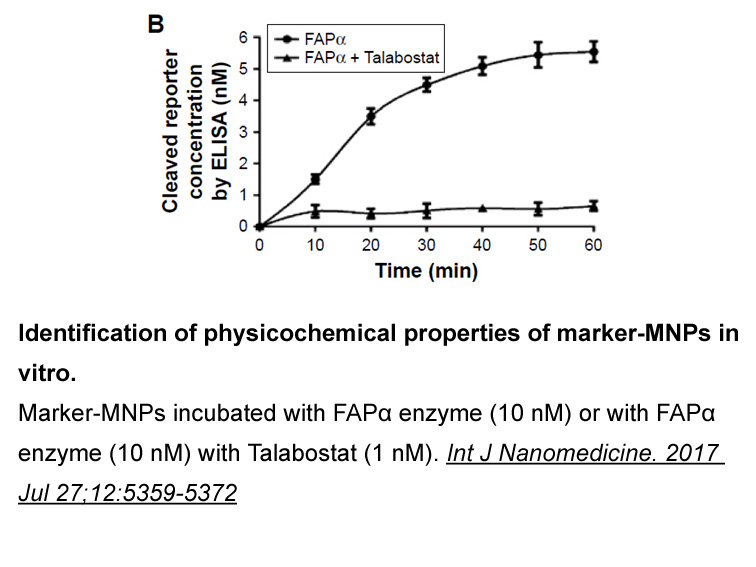
Cytochrome P450 monooxygenases Cytochrome P450 monooxygenases (P450s) belong to one of Nature’s most versatile group of enzymes for C–H functionalization and are able to perform challenging regioselective and stereoselective activations of remote, unactivated C(sp3)–H bonds, for which there are o
-
Homologous recombination HR has important roles in the repai
2021-03-04
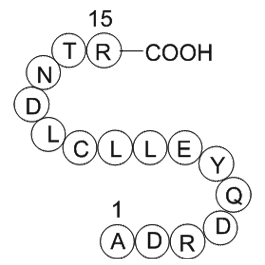
Homologous recombination (HR) has important roles in the repair of stalled or collapsed DNA replication forks, as well as of DNA double-strand breaks. Among the factors required for HR in human L-Glutathione Reduced are RAD51, BRCA1, and BRCA2 (Davies et al., 2001, Sung and Klein, 2006, Xia et al.,
14731 records 711/983 page Previous Next First page 上5页 711712713714715 下5页 Last page